
How AI-Powered Transformation Adoption Is Closing the Strategy-to-Execution Gap
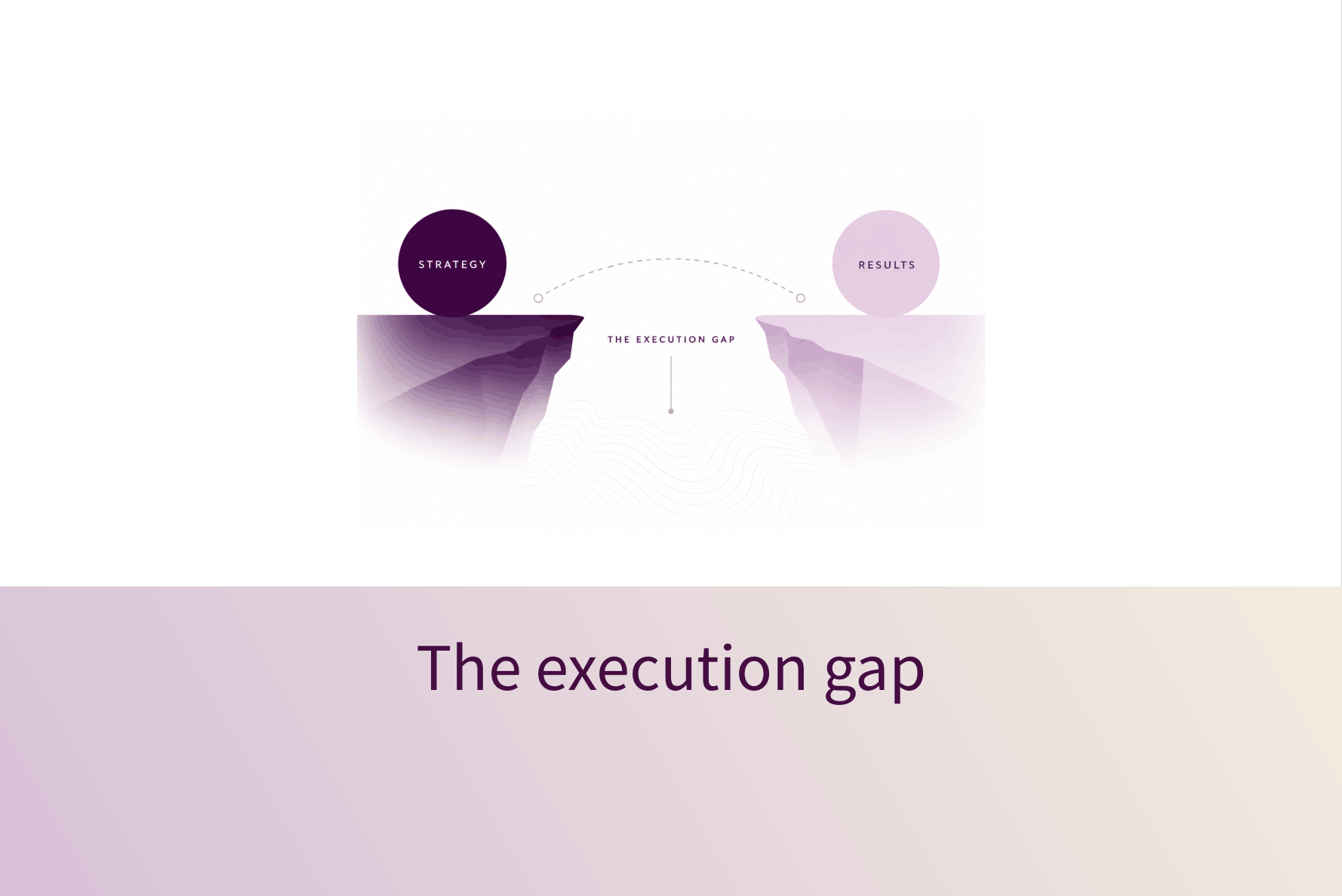
As CEO, you can usually see whether a transformation is on schedule. You can track budgets, milestones, system launches, restructuring progress and training completion. What is much harder to see is whether your organisation is actually changing. That distinction matters because transformation only creates business value when people adopt new ways of working.
A technology rollout, AI initiative, operating model change or restructuring may be successfully implemented on paper, but the expected return will remain limited if employees continue working as before. For the CEO, this is not simply a communication or learning issue. It is a business performance issue. Weak adoption slows ROI, delays productivity gains, increases execution risk and reduces the commercial value of your transformation.
The Real Risk Appears After Implementation
Many transformation programs look successful in the early stages. The technology goes live, managers complete training, communications are delivered and project teams report that milestones have been achieved. The problem often appears later. Employees may only partly use new systems, managers may continue relying on old processes and productivity improvements may take longer than expected.
By the time these issues become visible in your financial results, your company has already invested significant capital, management attention and time. CEOs therefore need to look beyond implementation and ask a different question: What evidence do we have that the organisation is actually adopting the transformation?
The relevant questions are practical:
- Do managers understand what needs to change?
- Are employees applying new behaviours in their daily work?
- Where is adoption slowing down?
- Which obstacles are appearing repeatedly?
- Where does leadership need to intervene?
- Are the expected business benefits beginning to emerge?
These are not soft people metrics. They are early indicators of execution and business performance.
Transformation ROI Depends on Adoption
Every major transformation has a business case. You may invest in AI to increase productivity, restructure the organisation to improve profitability or introduce a new operating model to serve customers better. In every case, the financial assumptions depend on people changing how they work. Consider an AI transformation. Your company can successfully implement the technology, but if managers do not integrate it into workflows and employees continue using old processes, the expected productivity gains will not materialise. Technically, the implementation may be complete. Financially, the transformation has failed to deliver its expected ROI.
This is why adoption should be viewed as part of your investment case. If adoption takes six months longer than expected, your financial return may also arrive six months later. That delay can mean additional operating costs, underused technology, lower productivity and slower delivery of customer improvements. Speed of adoption is therefore a commercial metric, not simply a change-management metric.
Your Learning Program Should Support Execution
This also changes what you should expect from your learning program. Traditional learning can build knowledge, but knowledge alone does not create ROI. Employees may understand your strategy or complete training on a new technology without changing how they work. The more important question is: What are people doing differently because of the program?
Your learning program should help managers translate transformation into practical decisions and behaviours. A manager who understands your AI strategy should be able to identify where AI improves a workflow, introduce that change to the team, address concerns and help employees use the technology effectively. The same principle applies to restructuring, new operating models and strategic transformation. Completion rates measure activity. Behaviour change measures execution.
Turn Frontline Experience Into Executive Insight
Frontline and middle managers sit directly between strategy and execution. They are not only responsible for communicating change. They are also an important source of business intelligence. They know where employees are uncertain, which processes are difficult to apply, where new ways of working create friction and which old habits remain in place. The challenge is capturing those signals early and at scale.
Where Skill Up Leader Fits
Skill Up Leader’s Transformation Adoption Program is designed to close this gap between executive direction and frontline action. The program uses AI-supported coaching conversations with frontline leaders to help them work through the transformation in the context of their own teams. Managers can reflect on what the transformation means in practice, identify resistance or uncertainty, clarify which behaviours need to change and decide what actions to take next.
The objective is not generic leadership development. It is to support the transformation your company is already investing in and help turn strategic intent into practical execution. At the same time, aggregated insights from frontline conversations can give your executive team greater visibility into where understanding is weak, where execution barriers are emerging and where management intervention may be required. This creates a stronger transformation feedback loop:
- Define the direction. Connect the program to your strategic priorities and business objectives.
- Drive frontline adoption. Help managers translate strategy into practical action with their teams.
- Identify execution risks. Surface patterns, concerns and barriers before they become business problems.
- Adjust early. Strengthen communication, leadership support or implementation while the transformation is still taking place.
For the CEO, the value is greater visibility into whether your transformation is actually taking hold. Skill Up Leader helps connect frontline coaching with organisational insight so that progress becomes more visible before delayed adoption starts affecting business results.
Staying Relevant Depends on Your Ability to Adapt
Your company will continue to face changes in AI, technology, customer expectations, competition, skills and business models. Customers do not care whether your internal transformation program was well designed. They care about the outcome. They notice whether your company responds faster, whether your service improves, whether your products remain relevant and whether competitors adapt faster than you do.
This means transformation capability is becoming part of competitive advantage. The companies that stay relevant will not simply be those that choose the right strategy. They will be those that can translate strategic decisions into operational change quickly and repeatedly. At your next executive meeting, ask a stronger question than “Are we on track?”
Ask: “What evidence do we have that our organisation is actually changing?”
That question connects strategy to behaviour, behaviour to execution and execution to business results. Your transformation is not complete when it is launched. It is complete when your business starts working differently and the expected value begins to appear. Your strategy defines where your company needs to go. Skill Up Leader helps turn that strategy into frontline adoption, gives your leadership greater visibility into execution and helps your organisation move faster from transformation investment to measurable business value.